The Chemistry of Seduction: Why Your Brain Falls for Scent
Before you ever think a thought, your brain has already fallen in love with a floating molecule.
There is a precise, unapologetic science to scent. Yet, decoding it feels like stepping into a romantic sci-fi novel where chemistry dictates desire. A single breath can instantly seduce your emotions, quiet a racing pulse, or unlock a memory long forgotten. It leaves us to wonder. Is it truly love at first inhale? Or merely microscopic floating molecules?
In this article, we explore the complex, intangible, and profoundly intimate world of scent. An emotional alchemy, scent has accompanied us since birth but remains one of our greatest sensory mysteries.
Scent triggers sleeping memories, unlocks visceral emotions, and offers an immediate path to therapeutic release. Its primal instinct nudges us away from logical, left-brain linearity, to the uncharted territory of our inner, emotional world.
The decidedly, unsexy reality of scent is that it is technically nothing more than neural circuitry translating microscopic airborne compounds, with feelings.
How Scent Works
The moment you inhale, volatile organic compounds embark on a lightning-fast migration through the nasal passage directly toward the brain’s olfactory system. Here, floating molecules make contact with the olfactory epithelium. This is a specialized neural cluster housing hundreds of sensory receptors that decodes the chemical signature and dispatches immediate signals to the olfactory bulb. These cells instantly translate the scent into a electrical message and sends it straight into your brain.
Unlike sight or sound, scent triggers raw emotion before logic. It skips your brain’s logical filter. Instead, it travels to the emotional center of your brain first that processes memories and emotions. In other words, your heart has already made up its mind before your head even realizes what’s in the room.
Seductive Scents
When applied to humans, the scientific consensus is not so sure. While humans communicate via chemical signals, often referred to as human chemosignals, no single molecule has been definitively proven to act as a true sex pheromone in the way seen in insects or other mammals.
Unlike many animals, humans lack a functional vomeronasal organ (VNO), the specialized secondary nasal structure animals use to process pheromones. Human chemical communication relies instead on the primary olfactory system through our main nasal pathways. While commercial products may market "pheromone fragrances” to attract a mate, scientific research suggests otherwise. The exact molecule behind romantic chemistry in humans still remains a captivating mystery.
However, researchers continue to analyze scents that influence physiological rhythms in women. Exploring the boundaries of scent-based reproductive health and biochemical communication is only the beginning in aromatherapy research.
Recent clinical research reveals that bioactive plant constituents communicate directly with your nervous and endocrine systems. They are calming frayed nerves, blunting stress hormones like cortisol, and encouraging hormonal harmony. By measuring subtle fluctuations in heart rate variability and skin conductance, clinical aromatherapy moves past traditional lore into the realm of precise, quantitative science. Proof that true luxury, fragrance is a quiet, measurable conversation between plant intelligence and your own biology.
Analytical Truth: The GC/MS Standard
As the world of fine fragrance evolves, discerning pure botanical mastery from synthetic mimicry demands a keener eye. And a higher standard. Modern chemistry can easily replicate individual nature-identical molecules, subtly blurring the boundary between artificial illusion and botanical truth. In the realm of high-performance clean beauty, relying on sensory intuition alone is no longer enough.
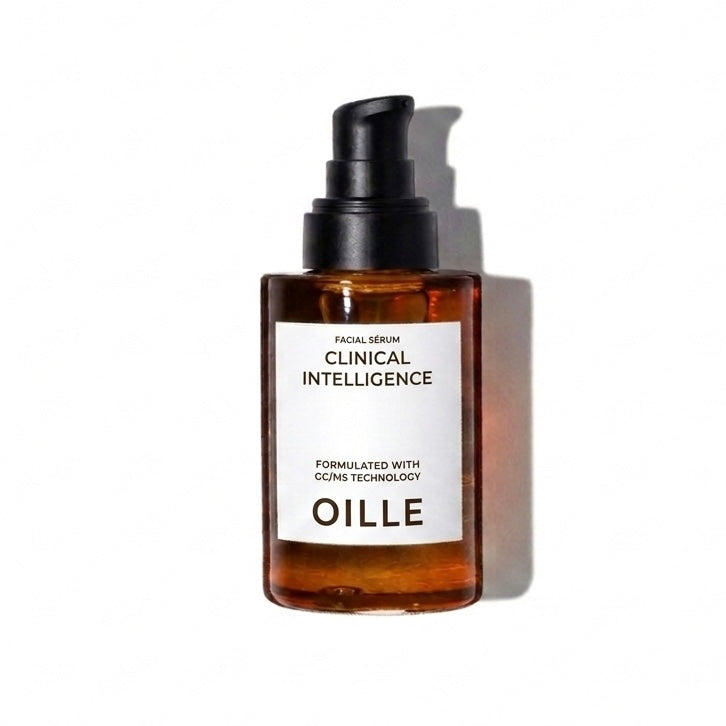
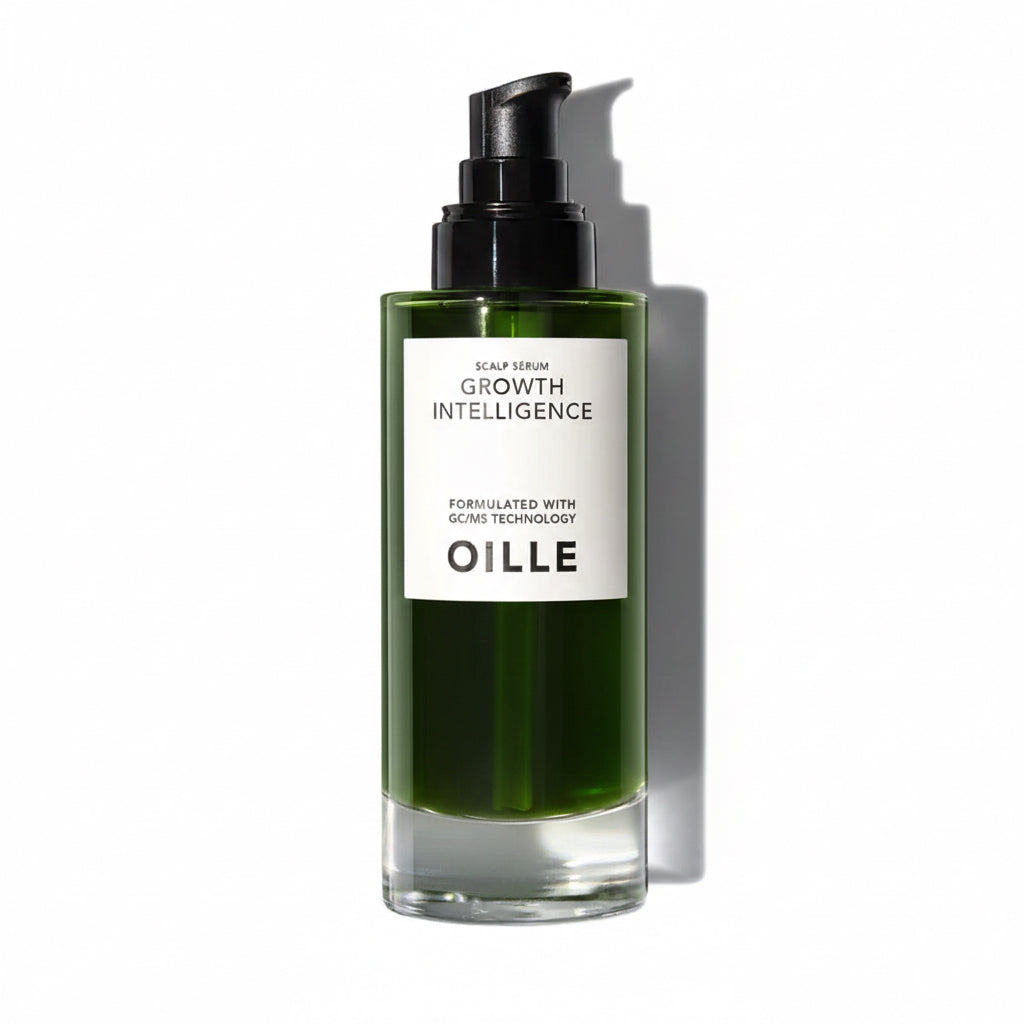
This is precisely where Gas Chromatography-Mass Spectrometry (GC/MS) technology steps in as our ultimate analytical standard. Acting as an infallible molecular fingerprint, GC/MS testing decodes plant chemistry down to its individual constituents. It effortlessly discovers authentic, unadulterated botanicals from hidden contaminants or undisclosed diluents.
At Maison de Chamberlain, every essential oil in our skincare collection undergoes rigorous, third-party GC/MS ab testing. It is our quiet commitment to absolute truth and transparency ensuring our bioactive plant formulations arrive untouched, potent, and performative exactly as nature intended.
The Daily Ceremony
Scent may begin as neural circuitry translating vaporized molecules, but when botanical mastery meets analytical precision, those floating compounds become a quiet alchemy for well-being.
Far beyond mere aesthetics, scent gently recalibrates the spirit. Bypassing the noisy mind, it reaches straight for the limbic core softening tension, sharpening clarity, and inviting presence in a single, unhurried breath. It is the ultimate art of coming back to yourself.
Scent is an intimate, living bridge between human and plant biology. By pairing plant science with the art of haute perfumery, Maison de Chamberlain transforms a simple inhale into a sensory ceremony, a sacred ritual.
Key takeaway, scent is an intimate bridge between plant intelligence and human emotion. When botanical mastery meets rigorous GC/MS science, every inhale is a transformative, love letter. It is biological chemistry made into poetry. A gentle reminder to bypass the noisy mind, recalibrate your nervous system, and come home to self. Your first love.
___________________
Maison de Chamberlain is a clean beauty and fragrance house with prestige heritage in clinical aromatherapy. As artisans of botanical mastery, we make scent your signature status.